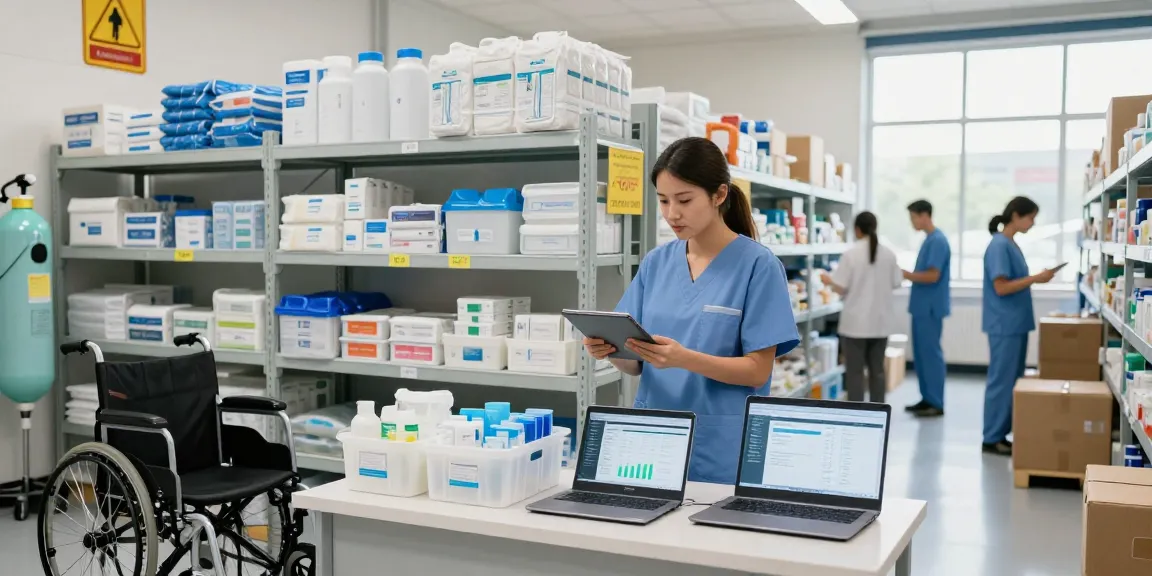
Understanding the Role of a Fournisseur Médical in Healthcare
The healthcare landscape relies heavily on a robust network of suppliers known as fournisseur médical. These specialized providers play a crucial role in ensuring that medical facilities have the necessary equipment and supplies to deliver quality care. As the healthcare industry evolves, the demand for innovative solutions from these suppliers is more critical than ever. In this article, we will explore their importance in the supply chain, key functions and services offered, and the challenges they face.
What is a Fournisseur Médical?
A fournisseur médical, or medical supplier, refers to any entity that provides healthcare products, tools, and equipment necessary for medical professionals and institutions. This can range from basic consumables like gloves and syringes to advanced medical devices such as MRI machines and surgical instruments. These suppliers ensure that hospitals, clinics, and other healthcare facilities can operate smoothly and efficiently.
Importance in the Supply Chain
The role of a fournisseur médical in the healthcare supply chain is foundational. They are not only responsible for delivering products but also for managing inventory levels, ensuring product availability, and maintaining relationships with manufacturers. In a dynamic environment where timely access to supplies can directly affect patient outcomes, the efficiency and reliability of medical suppliers are paramount.
Key Functions and Services Offered
- Product Distribution: Ensuring timely delivery of medical products to various healthcare providers.
- Inventory Management: Managing stock levels to ensure that healthcare providers are never short on necessary equipment.
- Consultative Sales: Offering expertise and guidance on product choices to meet specific healthcare needs.
- Regulatory Compliance: Ensuring all products meet health standards and regulations.
- Technical Support: Providing assistance with the use and maintenance of complex equipment.
Challenges Faced by Fournisseur Médical Professionals
Inventory Management Issues
Inventory management is a significant challenge for fournisseur médical professionals. Fluctuations in demand, unexpected surges during health crises, and varying lead times from manufacturers can complicate stock management. Suppliers must employ advanced inventory systems to track their products effectively, ensuring they can meet healthcare providers’ needs without overstocking, which can tie up valuable resources.
Regulatory Compliance Challenges
Healthcare products are subject to stringent regulations to ensure safety and efficacy. Fournisseurs médicaux must navigate complex compliance landscapes, which can vary by region and product type. Staying updated on regulatory changes and ensuring that all products adhere to these standards can be daunting, requiring a dedicated compliance team to manage documentation and audits effectively.
Dealing with Supply Chain Disruptions
Recent global events have highlighted the fragility of supply chains. Fournisseurs médicaux face challenges such as delays from manufacturers, shipping disruptions, and shortages of raw materials. Developing contingency plans and maintaining robust relationships with multiple suppliers can help mitigate these risks and ensure that healthcare providers have uninterrupted access to essential supplies.
Best Practices for Collaborating with Your Fournisseur Médical
Effective Communication Strategies
Effective communication is crucial in any partnership, especially in healthcare. Establishing regular check-ins, sharing updates on inventory levels, and being clear about expectations can foster a better working relationship between healthcare providers and their fournisseurs médicaux. Open lines of communication help in anticipating needs and addressing issues before they escalate.
Building Long-Term Relationships
Long-term partnerships with fournisseurs médicaux can lead to better pricing, more reliable service, and a deeper understanding of each other’s needs. Healthcare providers should invest time in building these relationships through regular meetings, feedback sessions, and collaboration on product development.
Utilizing Technology for Streamlined Operations
Embracing technology can transform how healthcare providers interact with their fournisseur médical. Advanced ordering systems, inventory management software, and real-time data sharing can enhance efficiency and accuracy. By leveraging technology, both parties can reduce errors, save time, and improve service delivery.
Future Trends for Fournisseur Médical in 2026
Impact of Technology and Automation
The future of fournisseur médical will likely be shaped significantly by technology and automation. Innovations such as AI-driven inventory management systems, automated ordering processes, and smart logistics solutions can streamline operations and reduce costs. As these technologies become more prevalent, suppliers must adapt quickly to stay competitive.
Sustainability and Eco-Friendly Practices
Sustainability is becoming increasingly important in healthcare. Fournisseurs médicaux will need to focus on eco-friendly practices, such as sourcing sustainable materials and minimizing waste. Implementing green practices not only meets regulatory requirements but also resonates with healthcare providers and patients who prioritize environmentally responsible options.
Shifts in Consumer Demand and Expectations
The expectations of healthcare providers are changing. There is a growing demand for high-quality, personalized products and services. Fournisseurs médicaux will need to remain agile, responding to these changes by offering innovative solutions and adapting their products to meet the evolving needs of the healthcare sector.
Case Studies: Successful Fournisseur Médical Partnerships
Innovative Solutions from Leading Suppliers
Many fournisseurs médicaux have risen to the occasion by providing innovative solutions that enhance patient care and operational efficiency. For example, by implementing real-time data analytics, some suppliers have helped hospitals reduce waste and optimize inventory levels, leading to significant cost savings.
Real-World Impact on Healthcare Efficiency
One notable case study involves a leading fournisseur médical that partnered with a multi-specialty hospital chain to streamline their supply chain processes. By integrating advanced logistics and supply chain management technologies, the supplier improved delivery times and reduced stockouts, allowing the hospital to focus more on patient care rather than supply issues.
Lessons Learned from Collaborations
The key takeaway from successful collaborations between healthcare providers and fournisseurs médicaux is the importance of adaptability. Both parties must be willing to evolve with industry trends and patient needs. Flexibility and mutual understanding in these partnerships can lead to innovative outcomes that benefit everyone involved.
How can a fournisseur médical improve patient care?
By ensuring timely access to high-quality supplies and equipment, a fournisseur médical enhances the overall patient care experience. Their ability to provide cutting-edge technology and support can directly contribute to better patient outcomes.
What certifications should a fournisseur médical have?
A reputable fournisseur médical should possess relevant certifications demonstrating compliance with industry regulations, such as ISO certifications, FDA approvals, and CE marks for European markets. These ensure that the products meet safety and quality standards.
How to choose the right fournisseur médical for your needs?
Selecting the right fournisseur médical involves evaluating their product range, reliability, customer service, and ability to meet your specific requirements. Recommendations from peers in the industry and reviewing testimonials can provide valuable insights into their performance.
What are the latest trends in medical supply?
Recent trends in medical supply include increased use of telehealth solutions, a focus on personalized medicine, and advancements in smart medical devices. Suppliers must stay updated on these trends to cater to the evolving needs of healthcare professionals and patients.
How to manage costs with a fournisseur médical?
To effectively manage costs, healthcare providers should negotiate contracts, consolidate purchases, and utilize supply chain analytics to track spending patterns. Establishing a collaborative relationship with the supplier can also facilitate better pricing and service terms.